Before Hollywood had a sound, it had an aesthetic — and much of that aesthetic came from one man. Wallace Neff built the houses that California dreamed itself into: whitewashed and sun-drenched, romantic and unhurried, rooted in the Mediterranean and grown wild in the Pacific light.
He was born in 1895 on a citrus ranch in La Mirada — a world of pepper trees and dry heat and the smell of orange blossoms in the morning air. His maternal grandfather was Andrew McNally of Rand McNally fame, which meant young Wallace grew up with money and possibility. He was sent to Europe as a young man and studied at the École des Beaux-Arts in Paris and at a school in Munich. He absorbed the mission churches of Spain, the hill towns of Italy, the long low farmhouses of Andalusia. When he came home to California, he had the vocabulary he needed.
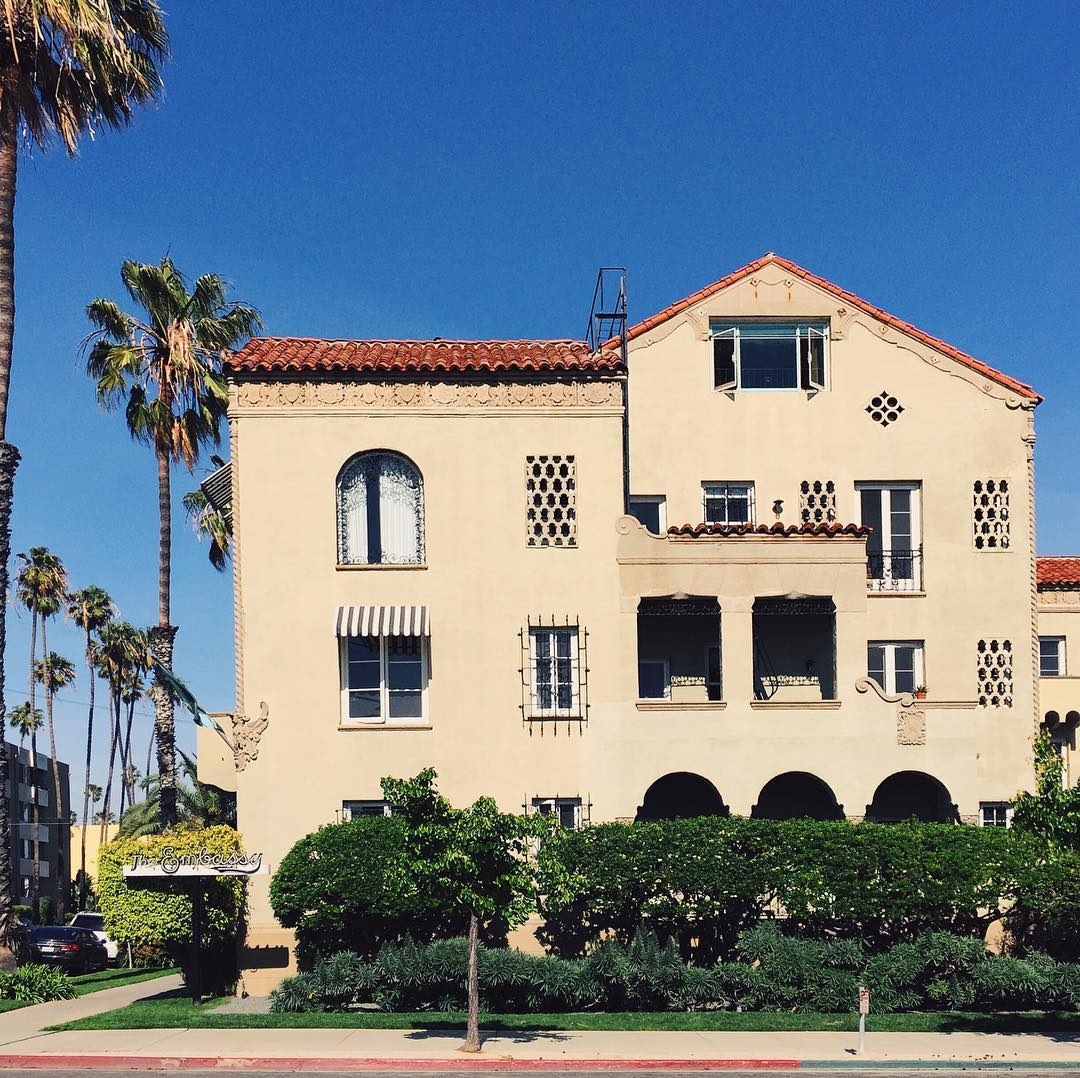
He opened his practice in Pasadena in 1919, and within a decade he was the most sought-after residential architect in Southern California. The timing was perfect. The Spanish Colonial Revival movement was sweeping California — sparked by the 1915 Panama-California Exposition in San Diego — and the new money flooding into Hollywood wanted homes that looked ancient, sun-soaked, and somehow both grand and effortless.

The Hollywood Years
Neff gave them exactly that. His client list in the 1920s and 1930s reads like a golden age roll call: Mary Pickford and Douglas Fairbanks commissioned him for Pickfair, their legendary Beverly Hills estate. Charlie Chaplin. Groucho Marx. King Vidor. Fredric March. Harold Lloyd. These weren't just commissions — they were collaborations with people who understood spectacle, who knew what a house could communicate, who wanted to live inside a feeling.
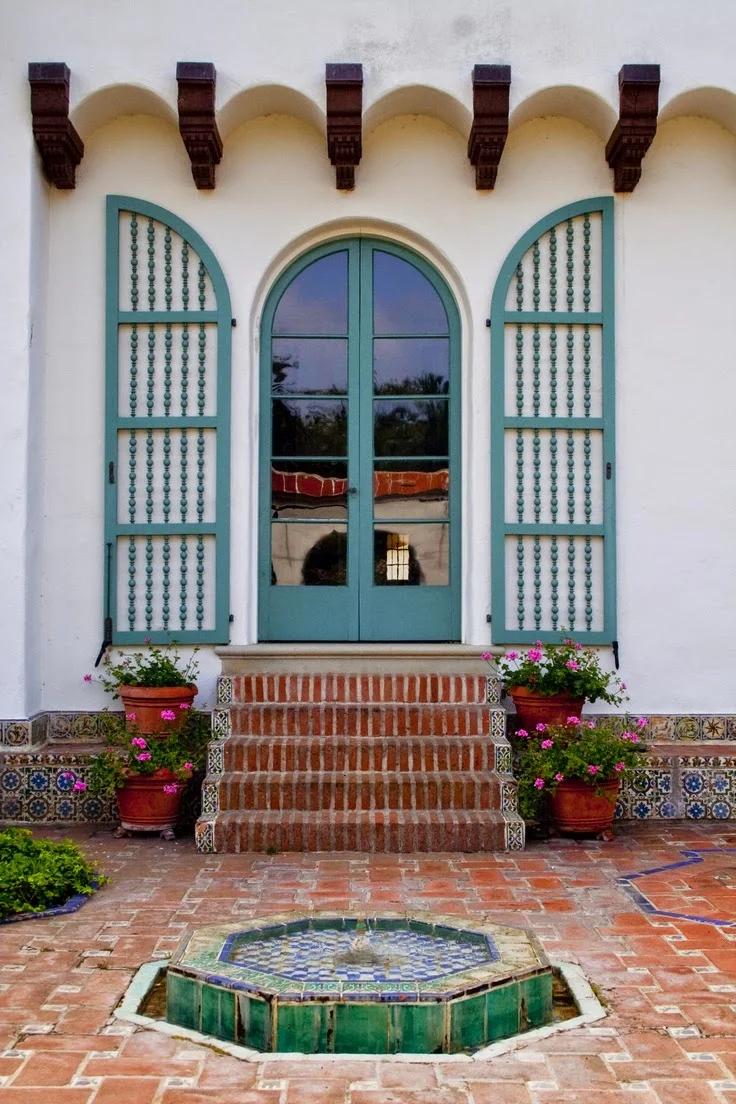
What Neff gave them was a language built on a handful of powerful elements: thick white stucco walls that seemed to hold the heat of the day and release it slowly at evening; low-pitched terra cotta tile roofs with wide overhangs that cast deep shade; arched doorways and loggias that framed views like paintings; motor courts that welcomed with ceremony; interior gardens that collapsed the boundary between inside and out. His houses didn't announce themselves — they unfolded.

He was obsessive about proportion. He understood that a wall's beauty comes from its thickness, that an arch's power comes from its spring point, that a courtyard only breathes if the enclosing walls are the right height. He drew everything by hand, working and reworking until the geometry was right. His buildings never feel designed — they feel found, as if they had always been there and someone simply cleared the brush to reveal them.
The Signature Details
Walk through a Neff house and you feel it in layers. There is always a moment of compression — a low entry, a narrow passage — followed by release into something vast and light-filled. There are always surprises: a fountain tucked into a corner of the garden, a tile panel inset into a stucco wall, a window placed to frame a single olive tree. He was a collector of gestures, and he deployed them with the confidence of someone who had seen a great deal of the world and knew exactly what he was drawing from.

His interiors were warm without being fussy. Saltillo tile floors worn smooth underfoot. Beamed ceilings of hand-hewn wood. Plaster walls with the slight imperfections that catch afternoon light. Wrought iron hardware — hinges, handles, chandeliers — that looked as if a village blacksmith had made them a century before. He designed many of these details himself, collaborating with craftsmen who could execute work at a level the machine age was rendering increasingly rare.


Beyond Spanish Colonial
Neff was never limited to a single style. While Spanish Colonial Revival was his greatest strength, he worked fluidly across Norman, English Tudor, and even early modernist idioms when clients asked. In the 1940s, he invented the Airform house — a bubble-shaped concrete structure built over an inflated balloon mold, cheap to build and impossibly cool in hot climates. It was his most radical departure, and though it never caught on commercially, it showed a mind that was always searching.

He designed more than 600 buildings over his career. Some of the greatest are still standing, still privately owned, still lived in by people who love them. Diane Keaton famously restored a Neff house in Bel Air and wrote about it lovingly. His work has been championed by preservationists, photographed obsessively by architectural historians, and quietly coveted by anyone who has ever stood in a Neff garden at golden hour and understood, without needing it explained, exactly why California felt like a dream worth having.

He died in 1982, having outlived most of his Hollywood clients and most of the world that had made his work possible. But the houses remain. White and warm and perfectly proportioned, they hold the light in a way that no other architecture quite does. They are California's most romantic buildings — not because they are grand, but because they understood, from the very beginning, what it means to live beautifully in the sun.